Malay
- English
- Esperanto
- Afrikaans
- Català
- שפה עברית
- Cymraeg
- Galego
- Latviešu
- icelandic
- ייִדיש
- беларускі
- Hrvatski
- Kreyòl ayisyen
- Shqiptar
- Malti
- lugha ya Kiswahili
- አማርኛ
- Bosanski
- Frysk
- ភាសាខ្មែរ
- ქართული
- ગુજરાતી
- Hausa
- Кыргыз тили
- ಕನ್ನಡ
- Corsa
- Kurdî
- മലയാളം
- Maori
- Монгол хэл
- Hmong
- IsiXhosa
- Zulu
- Yoruba
- অসমীয়া
- ଓଡିଆ
- Punjabi
- پښتو
- Chichewa
- Samoa
- Sesotho
- සිංහල
- Gàidhlig
- Cebuano
- Somali
- Тоҷикӣ
- O'zbek
- Hawaiian
- سنڌي
- Shinra
- Հայերեն
- Igbo
- Sundanese
- Lëtzebuergesch
- Malagasy
- Español
- Português
- русский
- Français
- 日本語
- Deutsch
- tiếng Việt
- Italiano
- Nederlands
- ภาษาไทย
- Polski
- 한국어
- Svenska
- magyar
- Malay
- বাংলা ভাষার
- Dansk
- Suomi
- हिन्दी
- Pilipino
- Türkçe
- Gaeilge
- العربية
- Indonesia
- Norsk
- تمل
- český
- ελληνικά
- український
- Javanese
- فارسی
- தமிழ்
- తెలుగు
- नेपाली
- Burmese
- български
- ລາວ
- Latine
- Қазақша
- Euskal
- Azərbaycan
- Slovenský jazyk
- Македонски
- Lietuvos
- Eesti Keel
- Română
- Slovenski
- मराठी
- Srpski језик
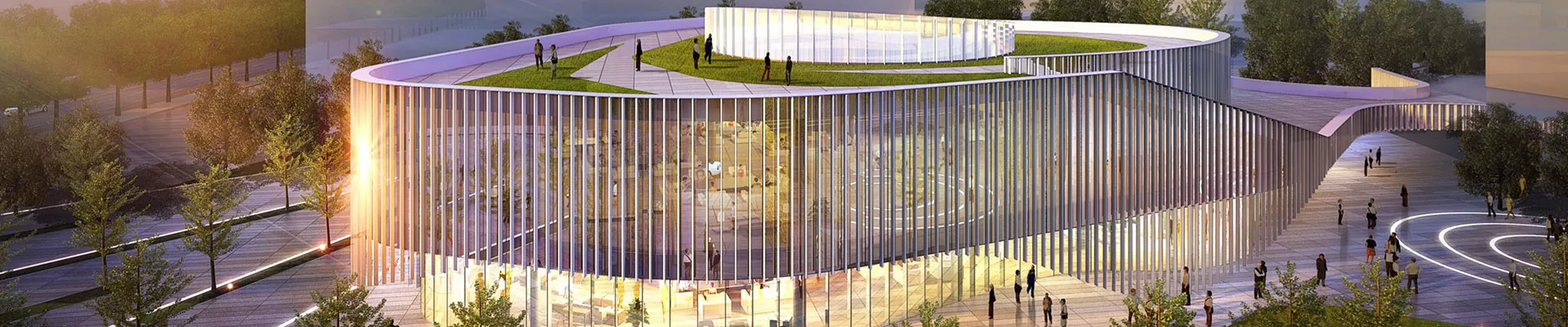
Mengapa Pembinaan Stesen Penumpang Kereta Rangka Keluli Menjadi Pilihan Pilihan untuk Hab Pengangkutan Moden?
Modern cities require efficient, durable, and cost-effective transportation infrastructure. Steel Frame Automobile Passenger Station Construction has become one of the most practical solutions for building large-scale passenger terminals because it combines structural strength, flexible design, rapid construction speed, and long service life.
This article explores the advantages, design considerations, construction process, material selection, cost factors, sustainability benefits, and future development trends of steel-frame passenger stations. Whether you are a government planner, transportation authority, investor, engineering contractor, or project developer, this guide provides valuable insights for making informed decisions.

Table of Contents
- Introduction
- What Is Steel Frame Automobile Passenger Station Construction?
- Why Are Steel Structures Ideal for Passenger Stations?
- Key Components of a Steel Frame Passenger Terminal
- How Does the Construction Process Work?
- What Factors Influence Construction Costs?
- Environmental and Sustainability Benefits
- Safety and Structural Performance
- Future Trends and Smart Transportation Integration
- Steel Structure vs Traditional Concrete Stations
- How to Select the Right Construction Partner
- Frequently Asked Questions
- Conclusion
Introduction
Urbanization, population growth, and increasing transportation demands are driving the need for modern passenger stations that can efficiently handle large volumes of travelers. Traditional construction methods often struggle to meet tight project schedules, operational requirements, and budget expectations.
Steel Frame Automobile Passenger Station Construction offers a practical alternative. By utilizing prefabricated steel components and advanced engineering techniques, developers can build spacious, durable, and aesthetically attractive transportation hubs in significantly shorter timeframes.
From regional bus terminals to large intercity transportation centers, steel structures are transforming how passenger stations are designed and built.
What Is Steel Frame Automobile Passenger Station Construction?
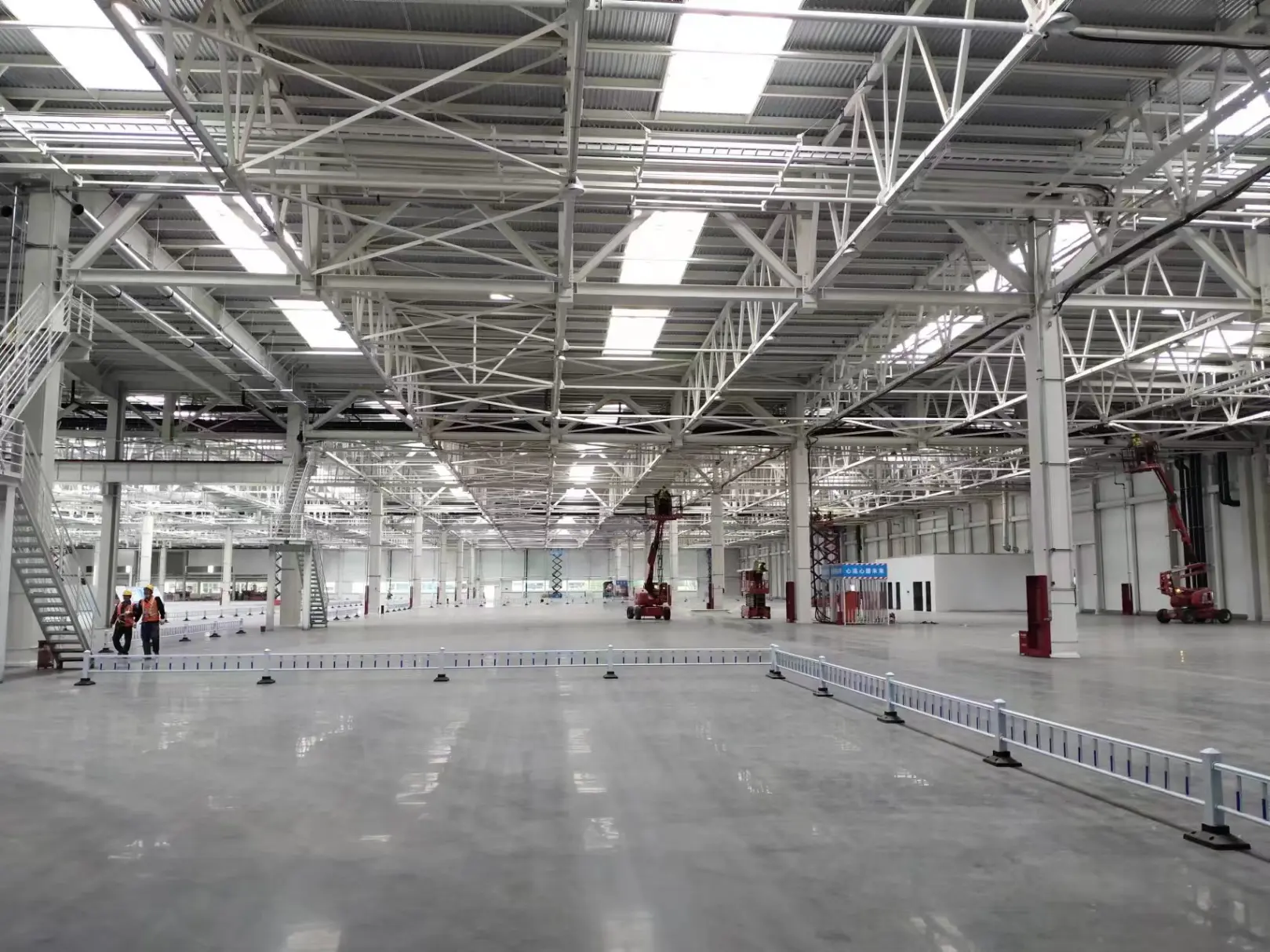
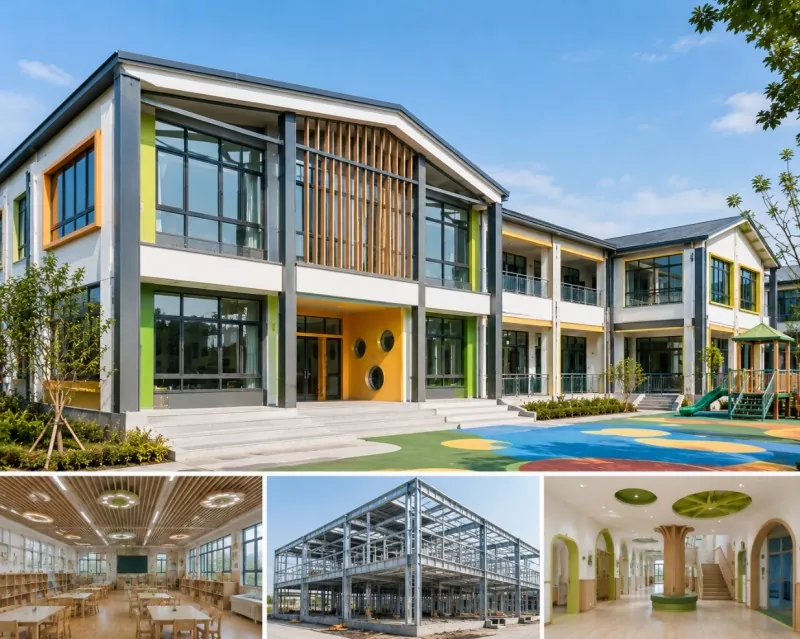
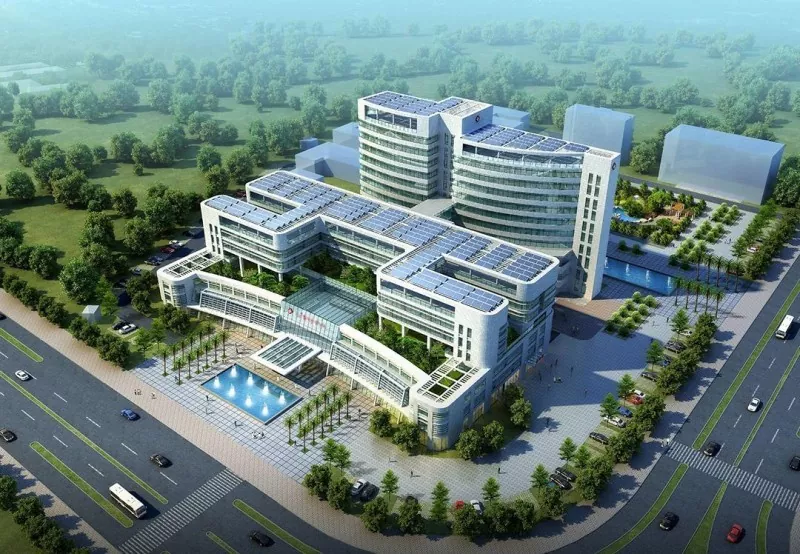
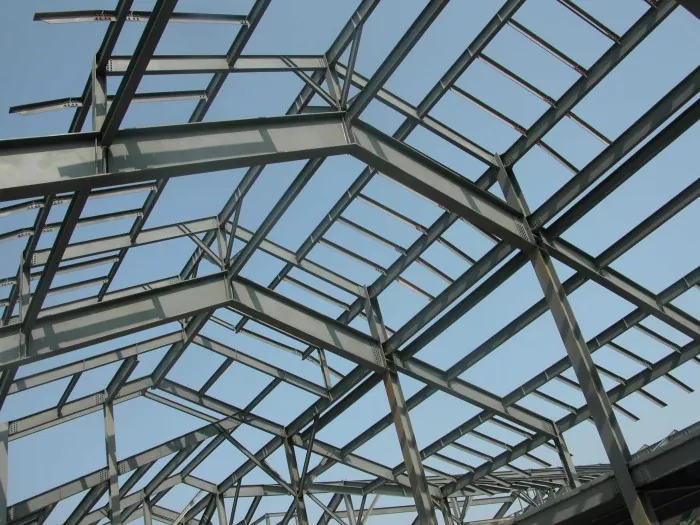
Steel Frame Automobile Passenger Station Construction refers to the design, fabrication, and assembly of passenger transportation terminals using structural steel as the primary load-bearing framework.
The system typically includes:
- Steel columns
- Steel beams
- Roof trusses
- Steel bracing systems
- Wall cladding panels
- Curtain wall systems
- Passenger waiting halls
- Commercial service areas
These structures are widely used for:
| Facility Type | Application |
|---|---|
| Urban Bus Stations | Daily commuter transportation |
| Intercity Passenger Terminals | Long-distance travel hubs |
| Integrated Transport Centers | Bus, metro, and taxi connections |
| Tourism Transportation Centers | Regional tourism services |
| Airport Shuttle Terminals | Passenger transfer facilities |
Why Are Steel Structures Ideal for Passenger Stations?
Transportation facilities require large unobstructed spaces, operational flexibility, and reliable structural performance. Steel construction meets these requirements exceptionally well.
1. Faster Construction Time
Most steel components are prefabricated in factories before arriving on-site. This minimizes weather-related delays and accelerates installation.
2. Large Span Capability
Passenger stations often require spacious waiting areas without interior columns. Steel structures can achieve wide spans while maintaining structural stability.
3. High Strength-to-Weight Ratio
Steel provides superior strength with lower structural weight, reducing foundation requirements and construction costs.
4. Design Flexibility
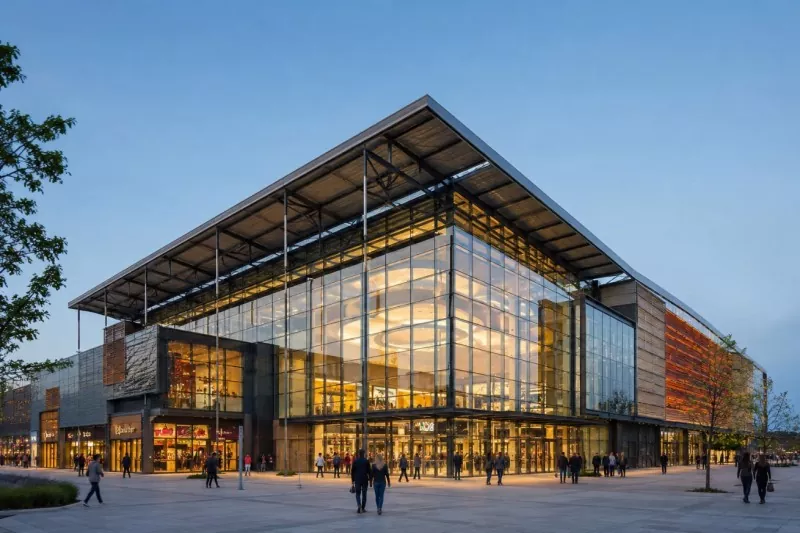
Architects can create modern transportation hubs featuring curved roofs, glass façades, and visually impressive spaces.
5. Long Service Life
Properly protected steel structures can remain operational for decades with minimal maintenance.
Key Components of a Steel Frame Passenger Terminal
| Component | Function |
|---|---|
| Main Steel Frame | Primary structural support |
| Roof System | Weather protection |
| Wall Panels | Building enclosure |
| Curtain Walls | Natural lighting and aesthetics |
| Foundation System | Load transfer to the ground |
| Drainage System | Water management |
| Fire Protection System | Safety compliance |
How Does the Construction Process Work?
Successful passenger station construction follows a systematic workflow.
- Feasibility Study and Planning
- Architectural Design
- Structural Engineering Analysis
- Steel Fabrication
- Foundation Construction
- Steel Erection
- Roof and Wall Installation
- Mechanical and Electrical Systems Installation
- Interior Finishing
- Inspection and Commissioning
Careful coordination between designers, fabricators, and contractors is essential for achieving quality, schedule, and budget objectives.
What Factors Influence Construction Costs?
Understanding cost drivers helps project owners optimize budgets without compromising quality.
| Cost Factor | Impact Level |
|---|---|
| Project Size | High |
| Steel Market Price | High |
| Architectural Complexity | High |
| Foundation Conditions | Medium |
| Location and Logistics | Medium |
| Special Equipment | Medium |
| Finishing Standards | High |
Although the initial investment may vary, steel-frame stations often provide lower lifecycle costs due to reduced maintenance requirements and operational efficiency.
Environmental and Sustainability Benefits
Sustainability has become a major consideration in modern infrastructure projects.
- Steel is highly recyclable.
- Prefabrication reduces material waste.
- Shorter construction periods lower environmental disruption.
- Energy-efficient envelope systems reduce operational consumption.
- Solar integration can be easily incorporated.
- Natural daylight improves passenger comfort.
These advantages contribute to environmentally responsible transportation facilities.
Safety and Structural Performance
Passenger stations must operate safely under varying environmental and operational conditions.
Steel structures can be engineered to withstand:
- Heavy occupancy loads
- Strong winds
- Seismic activity
- Snow loads
- Temperature fluctuations
- Long-term operational stress
Modern fireproof coatings and corrosion-protection technologies further enhance safety and service life.
Future Trends and Smart Transportation Integration
Future passenger stations are expected to become increasingly intelligent and connected.
Emerging trends include:
- Smart ticketing systems
- Digital passenger guidance
- AI-powered crowd management
- Renewable energy integration
- Building information modeling (BIM)
- IoT monitoring systems
- Smart ventilation and climate control
Steel-frame construction provides the flexibility necessary to accommodate these evolving technologies.
Steel Structure vs Traditional Concrete Stations
| Criteria | Steel Structure | Concrete Structure |
|---|---|---|
| Construction Speed | Fast | Slower |
| Structural Weight | Lighter | Heavier |
| Span Capability | Excellent | Moderate |
| Expansion Flexibility | High | Limited |
| Material Recycling | Excellent | Limited |
| Construction Precision | High | Moderate |
How to Select the Right Construction Partner
Choosing an experienced contractor is one of the most important project decisions.
Consider the following criteria:
- Proven experience in transportation infrastructure projects
- Engineering and design capabilities
- Manufacturing capacity
- Quality management systems
- Project management expertise
- International project experience
- After-sales technical support
Qingdao Eihe Steel Structure Group Co., Ltd. has extensive experience in the design, fabrication, and construction of large-scale steel structure projects, providing customized solutions for transportation, commercial, industrial, and public infrastructure developments.
Frequently Asked Questions
Q1: How long does it take to construct a steel-frame passenger station?
Project timelines depend on size and complexity, but steel structures generally reduce construction duration significantly compared with traditional methods.
Q2: Are steel passenger stations suitable for earthquake-prone regions?
Yes. Properly engineered steel structures offer excellent seismic performance due to their flexibility and strength.
Q3: Can passenger stations be expanded in the future?
Yes. Steel-frame systems allow relatively easy modifications and future expansion.
Q4: Is steel construction environmentally friendly?
Steel is one of the most recyclable construction materials available, making it an excellent choice for sustainable infrastructure projects.
Q5: What maintenance is required?
Routine inspections, protective coating maintenance, and periodic structural assessments help maximize service life.
Q6: Can steel structures support modern architectural designs?
Absolutely. Steel provides exceptional flexibility for innovative and visually striking designs.
Conclusion
Steel Frame Automobile Passenger Station Construction has become a leading solution for modern transportation infrastructure because it delivers speed, strength, flexibility, sustainability, and long-term value. From large-span waiting halls to intelligent transport hubs, steel structures provide the performance necessary to meet today's transportation demands while remaining adaptable for future growth.
Organizations seeking efficient, durable, and cost-effective passenger station construction solutions should carefully evaluate steel-frame systems as a strategic investment.
Looking for a reliable partner for your next transportation infrastructure project? Qingdao Eihe Steel Structure Group Co., Ltd. provides comprehensive steel structure solutions from engineering design and manufacturing to installation and project management.
Contact us today to discuss your Steel Frame Automobile Passenger Station Construction requirements and discover how our professional team can help turn your vision into reality.
Berita Berkaitan
- Bagaimana Memilih Saiz yang Sesuai untuk Pembinaan Stabil Kuda Rangka Keluli?
- Pemasangan Struktur Keluli Di Tapak + Aliran Kerja Pembinaan Pengangkat Bersepadu + Pertimbangan Utama
- Mengapa Memilih Binaan Rumah Rangka Keluli Prefab Dua Lapisan untuk Kehidupan Moden?
- Sembilan Perkara Utama untuk Reka Bentuk dan Pembinaan Bangunan Kilang Struktur Keluli
- Bagaimanakah Pembinaan Kandang Ayam Struktur Keluli Dapat Meningkatkan Pengurusan Ladang Ayam?
- Bangunan Perindustrian "Gaya Lokomotif": Sekiranya Pejabat 3 Tingkat Besi atau Konkrit?
Tinggalkan saya mesej